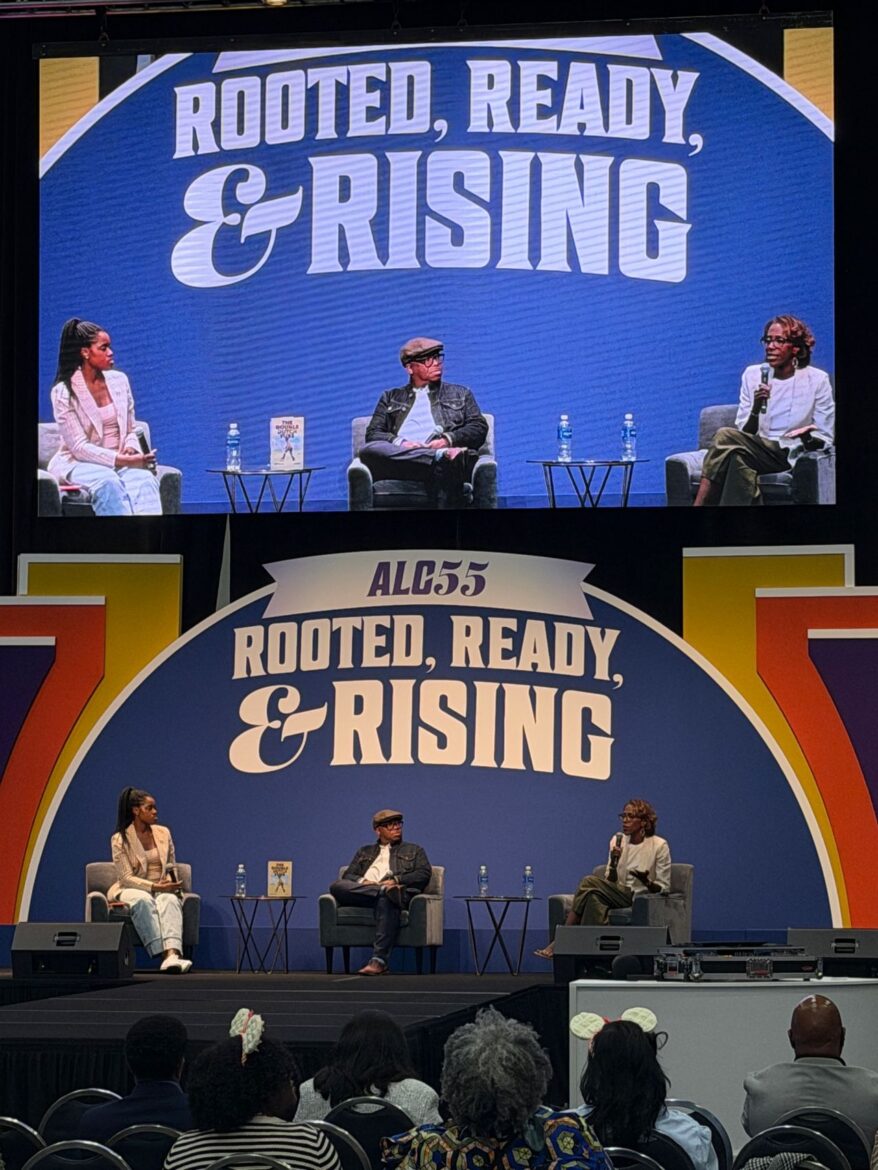
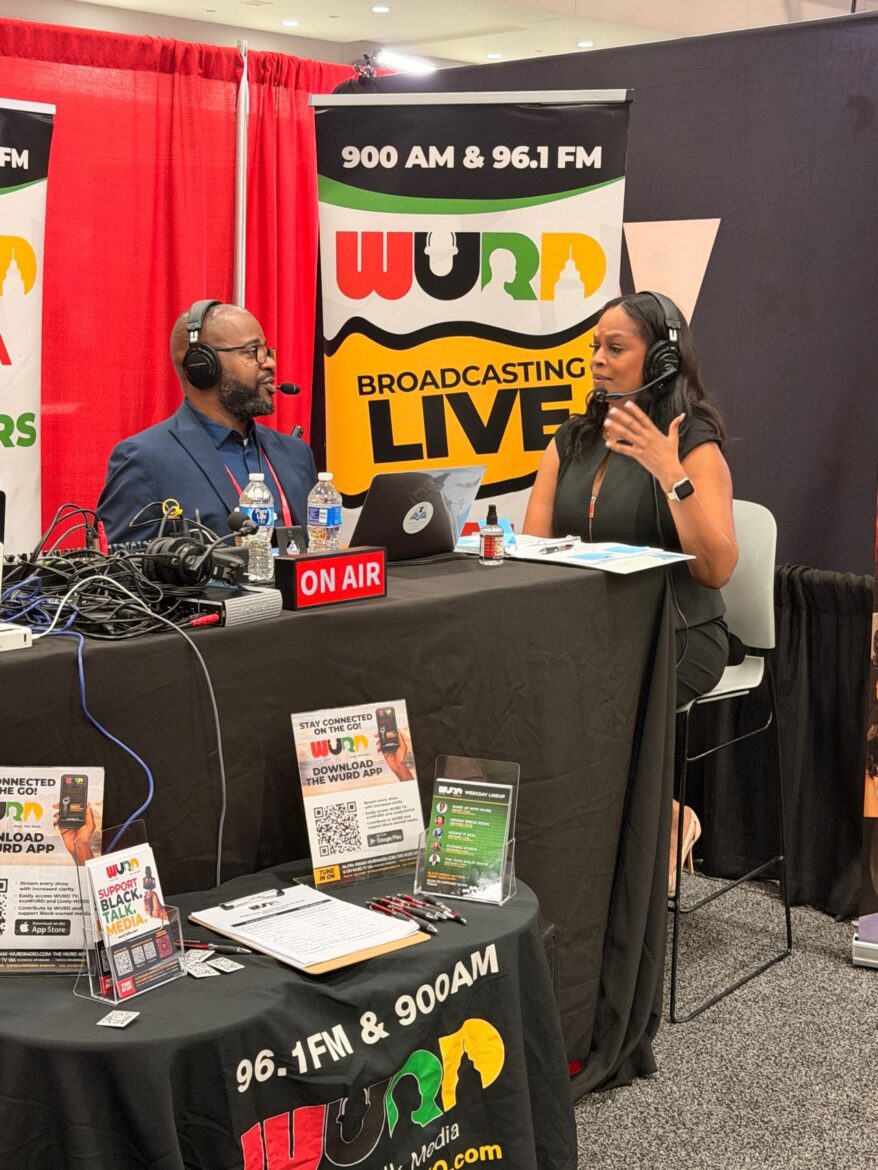
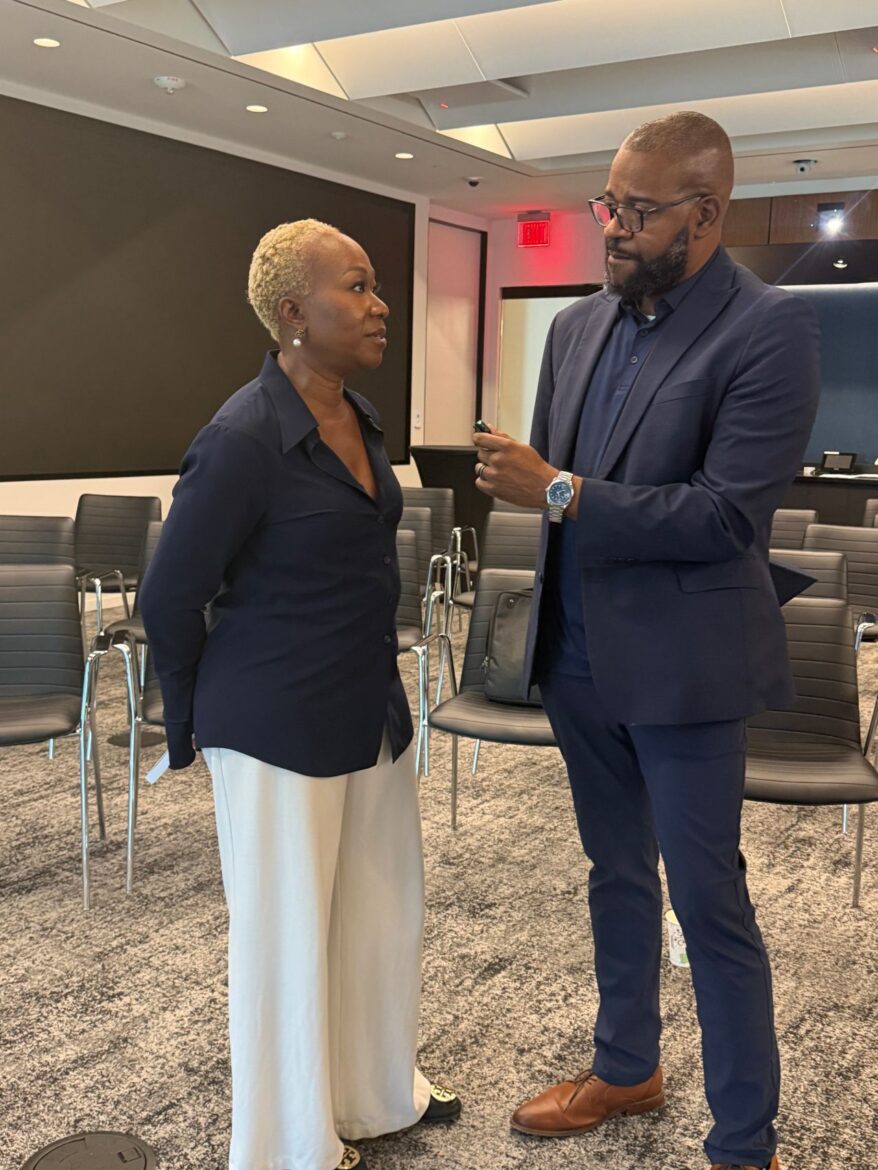
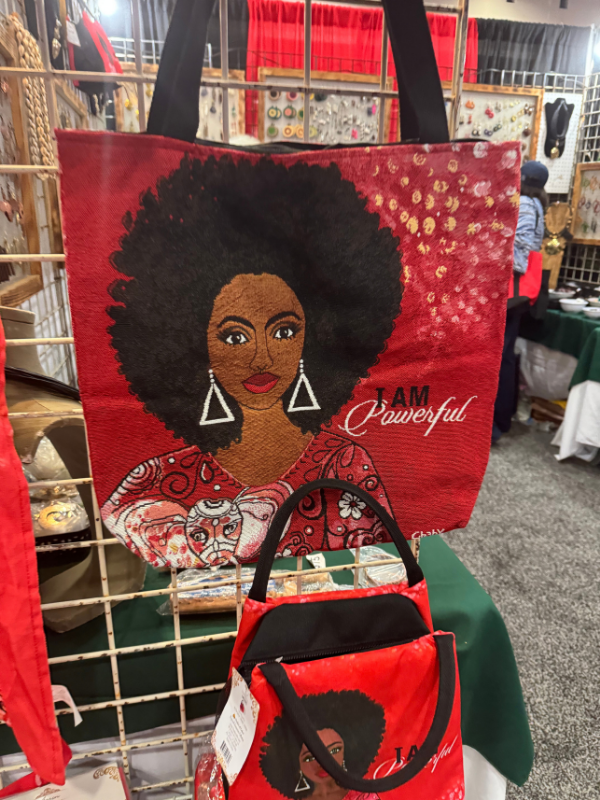
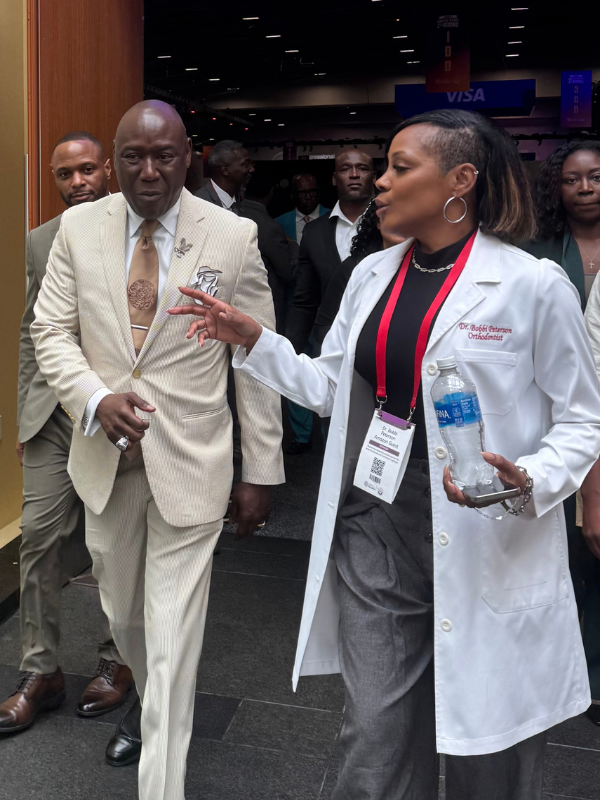
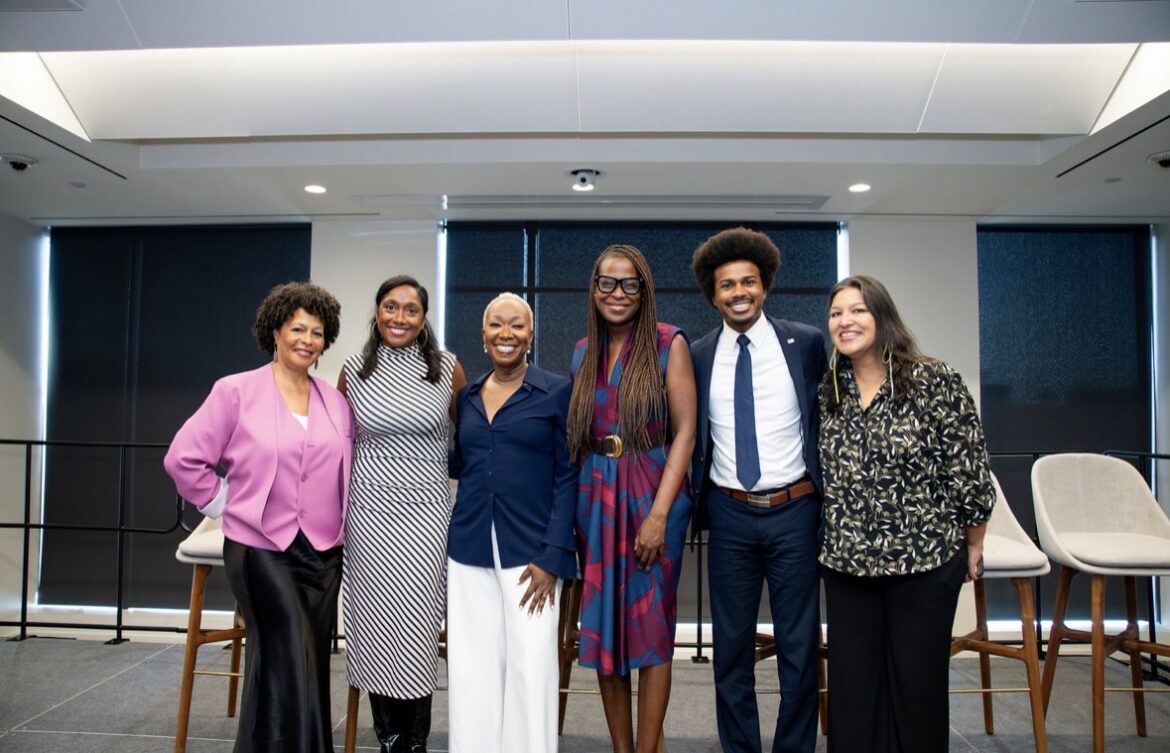
The conference also featured a marketplace of Black-owned businesses offering products and services, putting the idea of strengthening and recirculating the Black dollar into practice alongside the policy discussions.WURD was on the ground throughout the conference, bringing those conversations directly to our listeners. Here are four takeaways from interviews conducted during our live broadcasts from Washington.
Sara Lomax, president and CEO of WURD Radio and co-founder of URL Media, on why Black media needs sustainable institutions:
Lomax spoke about the importance of independent Black media heading into the 2026 midterms and the need for audiences, corporations and communities to support Black-owned outlets not just financially, but by sharing their work, attending events and treating them as essential institutions.
“We are about business development and sustainability, and really trying to make Black media something that can grow and sustain, and continue to build institutions, as opposed to everybody just kind of hanging on by a thread.”
Rep. Morgan Cephas, Pennsylvania state representative for the 192nd District, on why Black maternal mortality remains a structural problem:
Cephas pointed to Pennsylvania’s maternal-health investments, including expanded postpartum Medicaid coverage and funding for doula care, while arguing that progress will remain limited unless policymakers confront racial and gender bias in healthcare directly.
“A Black woman with a master’s degree has a higher rate of dying than a white woman with a GED. That is significant. And Black women are three times more likely to die, and we know that it is structural racism, structural sexism.”
Lamman Rucker, actor and producer, on why AI poses a threat when technology replaces human creativity:
Rucker said AI can also give creators new tools to produce and own their work independently, but warned against relying on either government or industry to protect workers as studios look for ways to reduce labor costs.
“Where the concern with AI is, is if it is going to be used and implemented to remove and eliminate the human factor, the human element, the humanity even of having the human spirit and human creative process.”
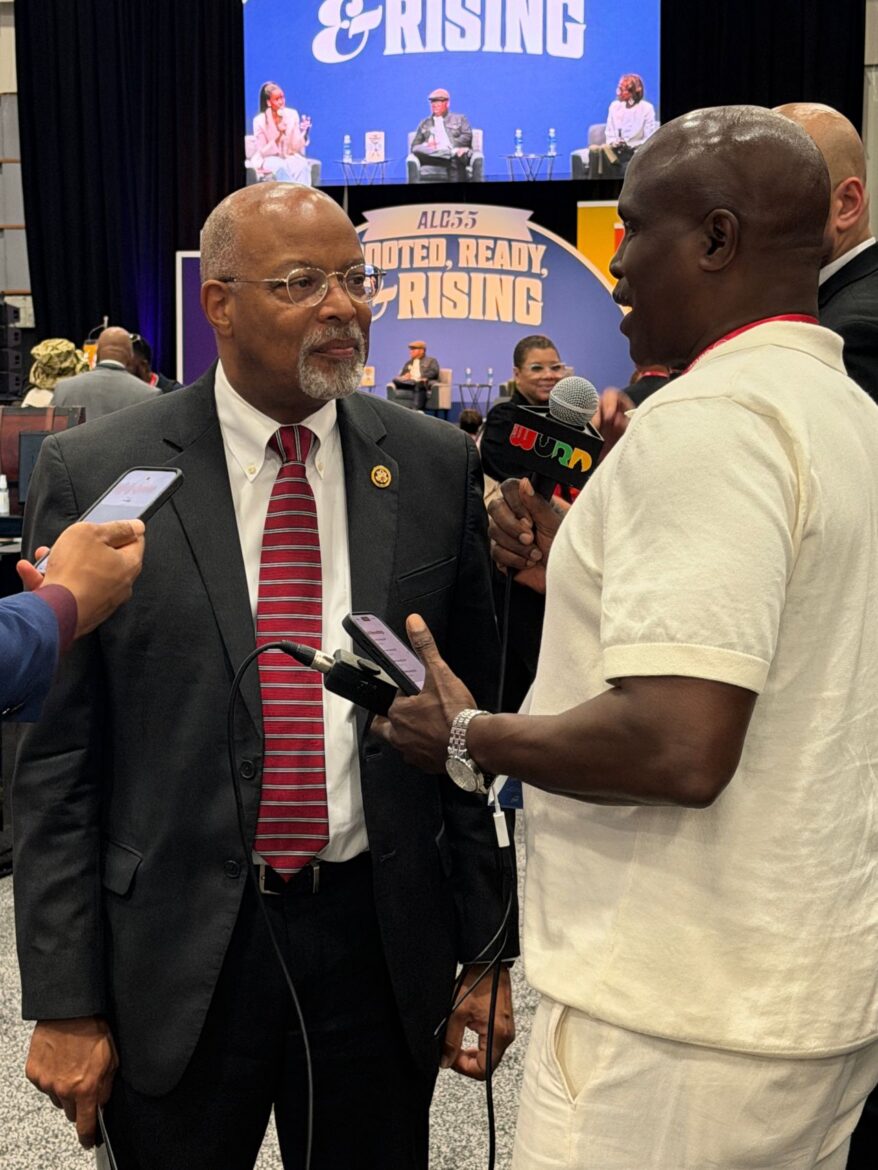
Rep. Glenn Ivey, U.S. representative for Maryland’s 4th Congressional District, on why federal workforce cuts have consequences beyond Washington:
Ivey said the Trump administration’s cuts to the federal workforce have affected both longtime public servants and the people who rely on federal programs and research. He argued that winning back congressional power would give Democrats more tools to investigate the administration and impose greater oversight.
“We had a woman in my district who was forced out. She had a Ph.D. in neurobiology, and she was conducting clinical trials at NIH on Alzheimer’s research. They forced her out and shut the clinical trials down.”
Missed all of WURD’s coverage? Explore our interviews below to catch up.